
Beware of Toxic Blue-Green Algae Lurking in Illinois Lakes and Rivers
Labor Day weekend is basically our last big excuse to squeeze every possible drop out of summer. For many Illinois families, that means heading to the lake, river or favorite swimming hole one more time before the flip-flops get packed away and pumpkin everything takes over.
Before you jump in this weekend, there’s one thing you should take a good look at first: what’s floating in the water.

Blue-Green Algae Problems in Illinois and Wisconsin
The Wisconsin lake my family cabin is on often falls victim to algae blooms each summer, so I've gotten pretty good at spotting the areas that need to be avoided. Primarily, blue-green algae blooms.
READ MORE: Two IL Parks Named Major Tick Hot Spots
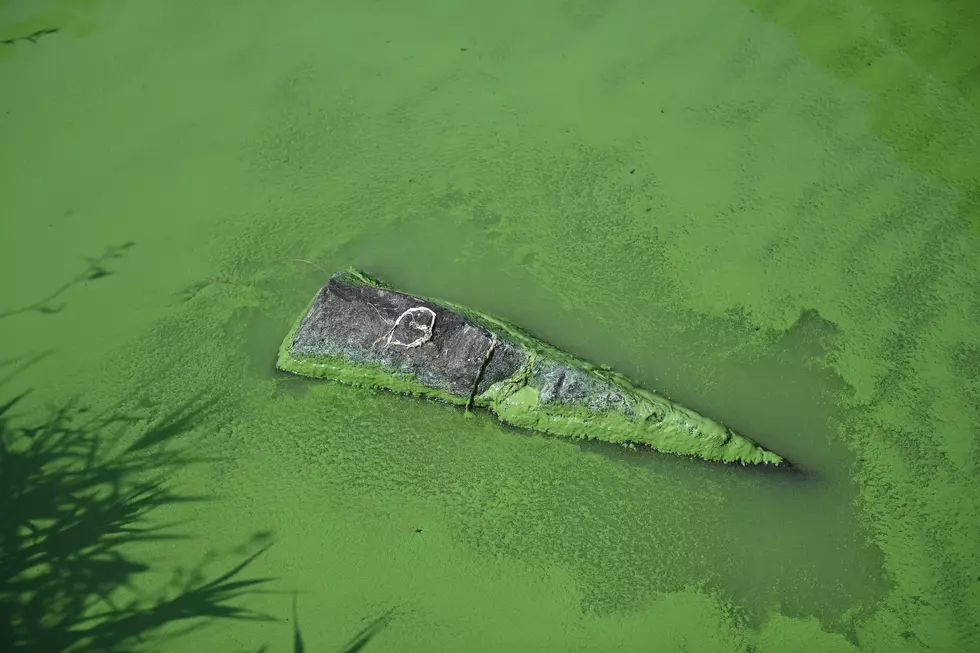
For the record, not all algae blooms are bad, but water that looks like this is VERY bad (and toxic!):

Here's the best way to spot a blue-green algae bloom according to the Illinois Environmental Protection Agency:
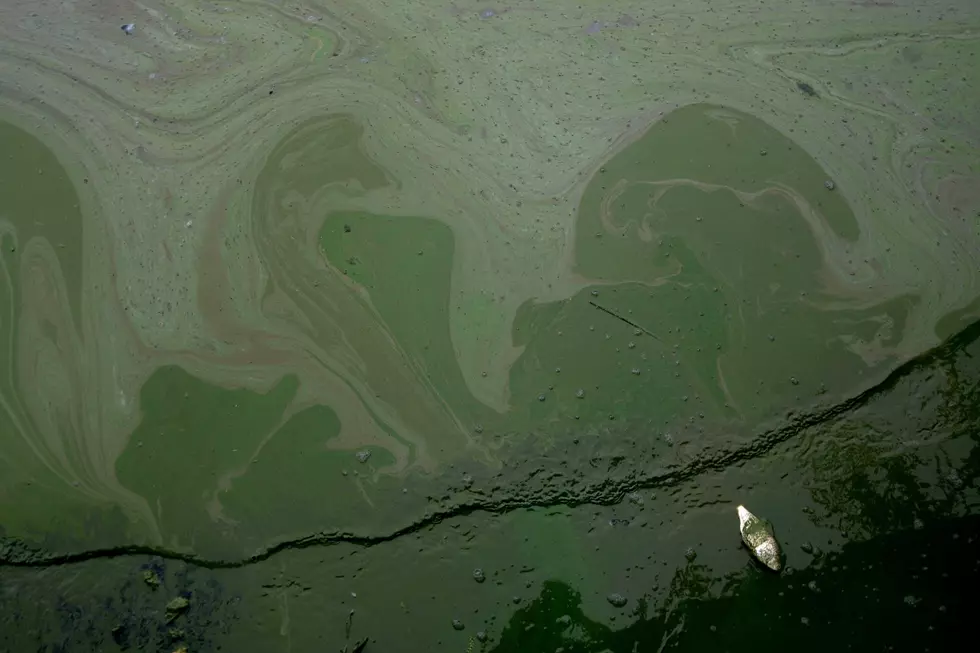
Blue-green algal blooms can look like blue or green paint spilled into the water, thick puffy blue or green foam on the surface of the water, or swirling colors beneath the surface of the water. Blue-green algal blooms can also have distinct smells. Odors have been described as grassy, fishy, or a septic odor, which in some cases can cause nausea.
Blue-green algae thrive in warm, shallow water that receives a lot of sunlight, and the weather conditions in northern Illinois and southern Wisconsin recently have been perfect for blue-green algae growth. If you have any plans that involve a river or lake in the next week or so, please proceed with caution.
Dangers of Blue-Green Algae
The biggest problem with blue-green algae blooms is that they can produce toxins that can make people and pets sick, and you can't tell just by looking whether an algae bloom is toxic.
This is why the Illinois EPA recommends treating any visible blue-green algae bloom as potentially dangerous.
What Can Happen If You're Exposed to Blue-Green Algae?
Exposure to blue-green algae can happen several ways. You can accidentally swallow contaminated water, get it on your skin, or inhale tiny droplets containing toxins.
Most commonly, blue-green algae exposure causes skin irritation, but it can also cause nausea, vomiting, throat irritation, allergic reactions and difficulty breathing. High exposures can affect the liver and nervous system.
Pets can also be exposed by swimming in contaminated water, drinking it or licking algae-covered water from their fur, so be sure to watch them carefully!
KEEP READING: See 25 natural ways to boost your immune system
Goosebumps and other bodily reactions, explained